
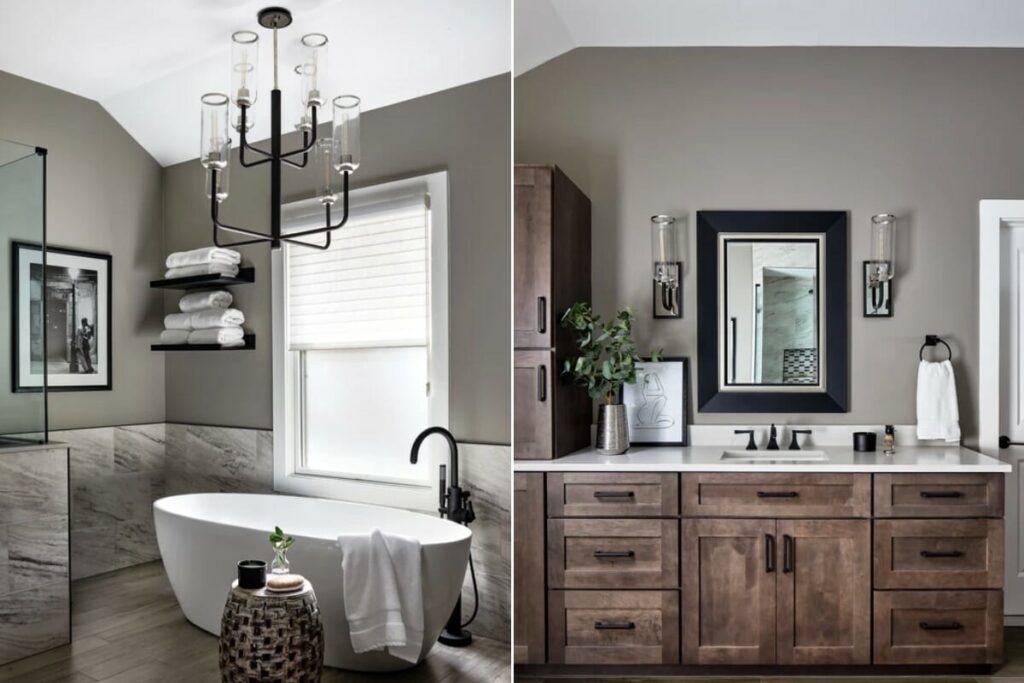
Bathrooms play a key role in how people view a home. A fresh, functional space can make buyers feel comfortable right away. Many homeowners want to improve their bathrooms without spending a lot of money. Affordable bathroom upgrades offer a smart way to boost both daily comfort and resale value. This guide walks through practical changes that deliver real results. You will learn specific ideas, estimated costs, and step-by-step tips to make smart choices.
These updates focus on high-impact areas that buyers notice first. Simple swaps and small fixes can transform an outdated bathroom into one that feels modern and clean. The best part is that many projects fit within a few hundred dollars. By the end of this post, you will have a clear plan to start your own project.
Why Bathroom Upgrades Matter for Home Value
Bathrooms rank high on buyer checklists during home tours. A dated bathroom can turn people away even if the rest of the house looks good. Studies show that bathroom improvements often return a strong portion of the investment when selling. Affordable bathroom upgrades let you capture that value without a full remodel.
Buyers look for clean lines, good lighting, and working fixtures. When these elements work well, the home feels cared for. Small upgrades signal that the owner maintained the property. This builds trust and can lead to faster sales or higher offers.
Think about daily use too. A better bathroom improves life for your family now. It reduces frustration from leaky faucets or poor storage. Over time, these changes add up to real equity gains. Focus on projects that balance cost and appeal to a wide range of buyers.
Also, explore our Essential Bathtub Maintenance Tips for Homeowners to keep your bathtub clean, durable, and looking its best for years.
Planning Your Affordable Bathroom Upgrades
Good planning prevents wasted money and time. Start by listing what bothers you most in the current bathroom. Take photos from different angles to spot issues like worn grout or dim lights. Measure the space accurately so new items fit properly.
Assessing Your Current Bathroom
Walk through the room and note every detail. Check for water damage around the sink and tub. Look at tile conditions and cabinet finishes. Test all fixtures to see what works and what needs repair.
Make a priority list. Rank items by how much they affect looks and function. For example, a broken toilet handle might rank high for daily use while faded paint ranks lower. This list helps you spend money where it counts most.
Consider your home’s overall style. Match upgrades to existing colors and materials for a cohesive feel. If your house has a modern vibe, choose simple lines. For traditional homes, select classic shapes. This matching approach makes upgrades look intentional rather than random.
Setting a Budget
Decide how much you can spend before buying anything. A typical affordable bathroom project might range from $500 to $3,000 depending on scope. Break the budget into categories like fixtures, paint, and labor.
Factor in unexpected costs such as minor plumbing repairs. Set aside 10 to 15 percent for surprises. Shop during sales periods at big box stores to stretch your dollars further. Compare prices online and in stores to find the best deals.
Track every expense in a simple notebook or spreadsheet. This habit keeps you accountable and helps calculate true return later. Remember that labor costs add up fast, so consider which tasks you can handle yourself.
Paint and Wall Treatments
Fresh paint changes a bathroom more than almost anything else. It brightens the space and covers imperfections at low cost. Choose moisture-resistant paint made for bathrooms to prevent mold and peeling.
Start by cleaning walls thoroughly. Remove dust, grease, and old soap residue. Apply primer if the current color is dark or if you spot water stains. Two coats of top paint usually give full coverage. Light colors make small bathrooms feel larger while soft neutrals appeal to most buyers.
For added interest, try a simple accent wall behind the vanity. Use peel-and-stick tiles or waterproof wallpaper on that wall only. These options install easily and remove cleanly when needed. Total cost for paint and basic supplies often stays under $150 for an average bathroom.
Take time to protect floors and fixtures with drop cloths. Work in sections to avoid fatigue. Proper preparation leads to a smooth, professional-looking finish that lasts for years.
Lighting Improvements
Good lighting makes everything look better. Many older bathrooms have only one overhead fixture that creates shadows. Upgrading lights improves safety and style at the same time.
Replace basic ceiling lights with brighter LED options. Choose fixtures with high lumen ratings for better visibility. Install a dimmer switch so you can adjust brightness for morning routines or relaxing baths.
Add sconces on both sides of the mirror for even lighting. This setup reduces glare and helps with tasks like shaving or applying makeup. Look for energy-efficient models that save money on electric bills.
Motion-sensor night lights provide soft guidance without keeping lights on all night. These small additions cost little but improve convenience greatly. Total lighting upgrades can stay under $200 and make a noticeable difference in how the room feels.
Flooring Options
Flooring takes heavy use in bathrooms from water and foot traffic. Replacing old floors can refresh the entire space. Vinyl plank flooring offers an affordable and durable choice. It resists water and installs over existing surfaces in many cases.
Peel-and-stick tiles work well for small updates. Clean the old floor first and lay tiles in a straight pattern. This project can be done in a weekend with basic tools. Choose neutral colors that match your paint and fixtures.
If budget allows, consider luxury vinyl tile that looks like stone or wood. These materials handle moisture well and come in many styles. Proper installation includes sealing edges to prevent water seepage underneath.
Always check for level surfaces before starting. Fix any soft spots or damage in the subfloor first. Quality flooring upgrades add value because buyers appreciate clean, modern surfaces underfoot.
Fixture Updates
New fixtures bring instant style and better function. Focus on items that get daily use. These changes often provide the highest return for the money spent.
Faucets and Showerheads
A new faucet updates the sink area quickly. Look for models with easy-to-clean finishes like chrome or brushed nickel. Single-handle designs offer convenience and modern appeal.
Showerheads with multiple spray settings improve daily showers. Rain shower or handheld options add luxury feel without high cost. Many models install without special tools using basic plumbing tape.
Check local water pressure before buying. Low-flow options save water and money while still delivering strong performance. Match finishes across all visible fixtures for a pulled-together look.
Toilets and Sinks
Toilet replacement might seem big but many models fit existing connections. Choose water-saving versions that meet current standards. Elongated bowls provide more comfort for users.
Sinks come in many affordable styles. Drop-in or undermount options work with existing countertops. Pair them with new faucets for a complete refresh.
Take measurements carefully and shut off water before starting any replacement. Have basic tools like wrenches and a bucket ready for drips. These fixture swaps can transform the look while fixing common problems like drips or clogs.
Storage Solutions
Lack of storage causes clutter that makes bathrooms feel smaller. Smart storage upgrades keep things organized and looking neat.
Add floating shelves above the toilet or beside the vanity. These shelves hold towels, toilet paper, and decorative items without taking floor space. Install them securely into wall studs for safety.
Over-the-door organizers or tension rods create extra hanging space. Use baskets and bins to group similar items together. Clear containers let you see contents at a glance.
Consider a small freestanding cabinet if space allows. Paint it to match the room for a built-in feel. These additions cost little but make daily routines smoother and show buyers thoughtful design.
Mirror and Vanity Upgrades
The vanity area draws the most attention in bathrooms. Updating it creates a strong focal point.
Replace an old mirror with a larger framed version. Frameless options give a modern edge while framed mirrors add character. Make sure the new mirror covers adequate wall area for good reflection.
For vanities, paint existing cabinets instead of full replacement. New hardware like knobs and pulls updates the look instantly. Choose soft-close hinges for a quality feel.
If the countertop shows wear, consider a simple laminate replacement or resurfacing kit. These options refresh the surface without demolition. Keep the overall design simple to appeal to future buyers.
Adding Smart Features on a Budget
Technology does not have to break the bank. Small smart additions bring modern convenience.
Install a smart thermostat for the room or a compatible exhaust fan. These devices control humidity and reduce mold risk. Many connect to phone apps for easy monitoring.
LED mirrors with built-in lights and defoggers improve usability. Some models include USB charging ports for convenience.
Voice-activated speakers or simple timers for lights add fun touches. Focus on features that solve real problems rather than flashy gadgets. These upgrades show the home has current technology without high expense.
DIY vs Professional Help
Many affordable bathroom upgrades work well as DIY projects. Painting, installing shelves, and swapping faucets require basic skills. Watch online tutorials specific to your fixtures for best results.
Hire professionals for plumbing or electrical work if you feel unsure. Proper installation prevents leaks and safety issues later. Get multiple quotes and check references before choosing help.
Hybrid approach often works best. Handle preparation and finishing yourself while outsourcing complex tasks. This balance keeps costs down and quality high.
Common Mistakes to Avoid
Rushing decisions leads to regret. Take time to test paint colors on the wall before full commitment. Buy samples of fixtures if possible.
Ignoring ventilation causes moisture problems. Make sure exhaust fans work properly and run them during and after showers.
Choosing trendy colors that might not appeal to buyers can limit resale. Stick with neutral tones for broader appeal.
Skipping proper preparation before painting or tiling shortens the life of your upgrades. Clean surfaces thoroughly and follow manufacturer instructions.
Measuring the Return on Investment
Track costs carefully throughout the project. Note before and after photos to document changes.
When selling, mention specific upgrades to agents and buyers. Highlight energy savings from new fixtures or improved lighting.
Appraisal reports often recognize bathroom improvements positively. Even modest updates can add several thousand dollars to home value depending on your market.
Revisit the bathroom six months after completion to see how it holds up. Make small adjustments if needed. This ongoing care protects your investment.
Final Thoughts on Affordable Bathroom Upgrades
Affordable bathroom upgrades provide a practical path to better living and higher home value. By focusing on paint, lighting, fixtures, and smart storage, you create a space that feels fresh and functional.
Start small with one or two projects that fit your budget and timeline. Build confidence with each success. The results will reward both your daily comfort and future sale potential.
Take measurements, plan carefully, and choose quality materials within your price range. Your efforts will show in a bathroom that works well and looks great for years to come.