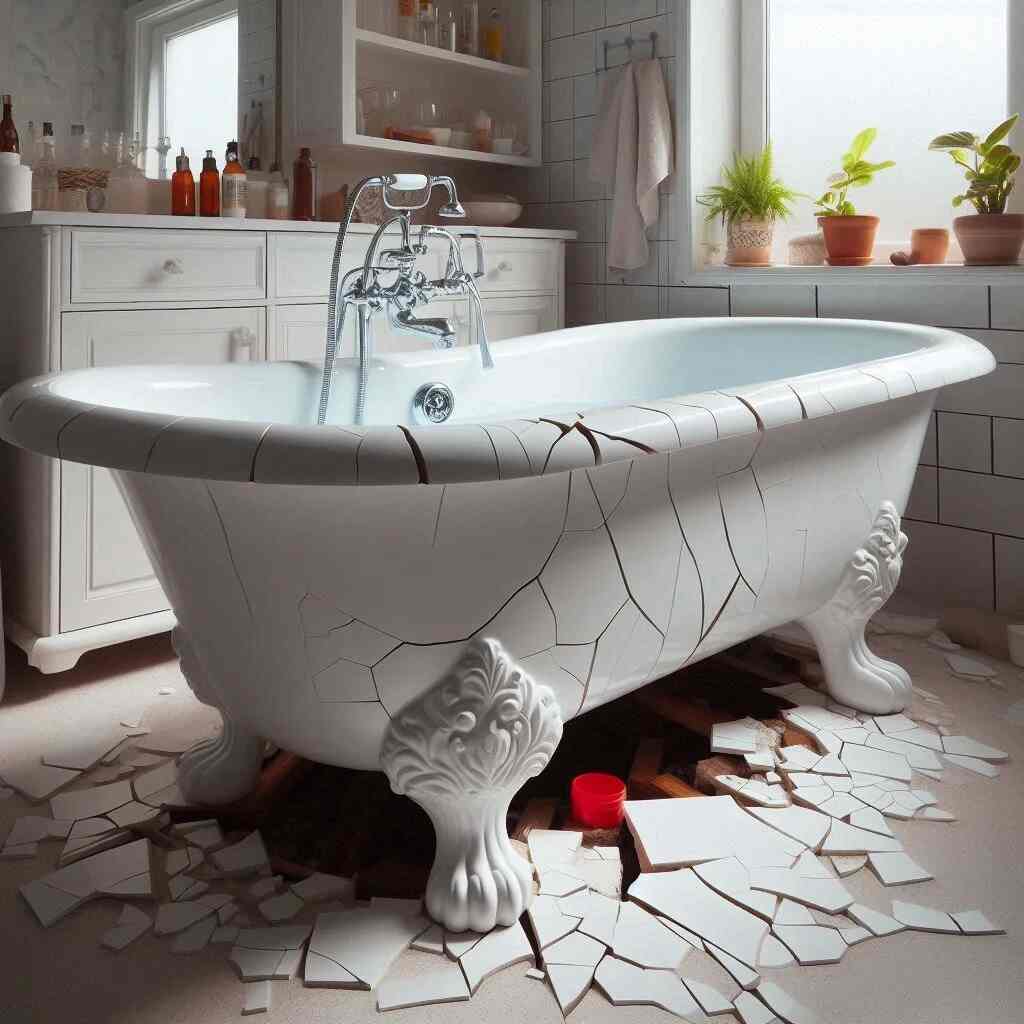

Bathtubs see heavy daily use in most homes. Over time, wear shows up in ways that affect both looks and function. Knowing the signs helps you act before small issues turn into expensive problems. This guide walks through what to watch for, why it matters, and what steps make sense next. You will learn clear ways to check your tub and decide on fixes that fit your situation and budget.
Many people put off bathtub care until something obvious breaks. Regular checks save money and keep your bathroom safe and clean. A good tub adds comfort to your routine and value to your home. Spotting problems early lets you choose simple repairs or a full surface update instead of a complete swap.
Why Bathtub Condition Matters for Everyday Life
A bathtub in poor shape changes how you use the bathroom. Water that sits in cracks can create hidden damage over weeks or months. Families notice when the surface feels uncomfortable or cleaning takes longer than before. Kids and older adults face higher slip risks on worn areas. Fixing issues promptly protects your investment and supports better hygiene in a key part of the house.
Common Causes of Bathtub Wear
Daily use, water minerals, dropped items, and age all play roles. Hard water leaves deposits that eat away at the finish. Soap residue builds up and holds moisture against the material. Small impacts from bottles or toys create chips that grow if ignored. Understanding these helps you prevent future trouble through better habits.
Visible Damage on the Surface
Look closely at your bathtub under good lighting. Run your hand over it and check for anything out of the ordinary. These clues often appear first and point to the need for attention.
Chips and Cracks in the Tub
Chips happen when hard objects hit the surface. A shampoo bottle or toy dropped at the wrong angle can remove a piece of the protective layer. Small chips start as tiny spots but collect dirt and water. Over months, they turn into larger damaged areas that feel sharp underfoot.
Cracks form from stress on the material. Temperature changes, poor support underneath, or years of weight cause hairline lines to appear. Water seeps into these lines and weakens the structure below. You might see dark lines or discoloration spreading from the crack. If you press gently near the area and feel movement, the damage goes beyond the surface.
Fixing a single small chip involves cleaning the spot, filling it with a matching compound, and smoothing it down. Larger or multiple cracks usually need a broader approach to stop water from reaching wood or flooring underneath. Check around the tub edges and near the drain where stress concentrates.
Discoloration and Stubborn Stains
Yellow, brown, or gray patches that scrubbing does not remove signal finish breakdown. Hard water minerals cause orange or rusty-looking marks, especially around faucets and drains. Soap scum mixes with body oils and creates a film that holds stains in place.
Older tubs show color changes across bigger sections. The original white or off-white turns dull or uneven. These stains look bad and make the whole bathroom feel less clean. More importantly, the damaged finish allows bacteria and mold to hide in tiny pores.
Test stains by trying a gentle cleaner made for the tub material. If the mark stays after proper cleaning, the surface layer needs renewal. Professionals use special products that remove deep set marks before applying a new coat.
Peeling or Flaking Finish
Peeling happens when the top layer lifts away from the base material. You see edges curling up or small flakes in the tub after use. This often starts near chips or areas with constant water exposure. Moisture gets underneath and breaks the bond between layers.
Flaking creates rough spots that catch skin and make cleaning harder. Pieces can break off during baths and cause clogs in the drain. In severe cases, the exposed base material rusts or absorbs water, leading to bigger repairs.
Do not ignore early peeling. It spreads quickly once it begins. A full surface treatment restores a smooth, even layer that resists future peeling for many years when done correctly.
Changes in Texture and Feel
The way your tub feels under your hands and feet gives important clues. A new tub feels smooth and solid. Changes over time show wear that affects daily comfort and safety.
Rough or Gritty Surface
A once-smooth tub that now feels like sandpaper has lost its protective coating. Daily cleaning and mineral buildup slowly erode the finish. The gritty texture makes the tub harder to clean because dirt sticks to the uneven surface.
This roughness increases slip risk, especially when wet with soap. It also shortens the life of the tub because the exposed material breaks down faster. Running your fingers across the bottom and sides helps you notice these changes before they become extreme.
Many homeowners first notice this when cleaning takes more effort or when towels snag on the surface. Restoring the smooth finish improves both appearance and usability right away.
Slippery Conditions Even After Cleaning
Some tubs develop areas that stay slick no matter how well you clean. This points to microscopic damage in the surface that holds water and soap residue. Older non-slip textures can wear down unevenly and create dangerous spots.
Test by wetting the tub and checking your footing carefully. If you feel unsure, address it before someone gets hurt. Refinishing adds options for better grip while keeping the look clean and modern.
Functional Problems That Affect Use
Beyond looks, pay attention to how the tub works during normal use. These issues often connect to surface damage and need prompt action.
Leaks and Signs of Water Damage
Puddles on the floor after a bath, water stains on the ceiling below, or musty smells near the tub indicate leaks. Water escapes through cracks or loose seals and travels to hidden areas. This can damage floors, walls, and even electrical systems over time.
Check caulk around the tub edges and where it meets the wall. Cracked or missing caulk lets water behind the tub. Soft spots in the floor when you step in also warn of trouble underneath.
A plumber or tub specialist can trace the source. Sometimes a simple seal fix works, but widespread cracking requires surface work plus plumbing checks.
Drainage Issues and Slow Drains
Water that takes a long time to leave the tub points to partial clogs or damage around the drain. Rust or buildup in the finish can break off and collect in the pipes. Poor drainage leads to standing water that stains the surface further.
Clean the drain regularly and watch for changes in flow speed. Persistent slow drainage after cleaning suggests the tub itself contributes to the problem through cracks near the drain opening.
Unusual Noises or Movement
Creaking or popping sounds when you move in the tub mean the base or supports have shifted. This often happens in older installations or after heavy use. Movement stresses the surface and creates new cracks.
Press down gently in different areas to test for flex. Any give underfoot means the tub needs evaluation by a professional before the situation worsens.
Safety Concerns in Damaged Tubs
Safety comes first in any bathroom. A tub with problems creates risks that go beyond inconvenience.
Sharp edges from chips can cut skin. Unstable surfaces increase fall chances for children, elderly family members, or anyone with balance issues. Mold growth in damaged areas affects air quality and triggers allergies or breathing problems.
Address safety issues immediately. Even if the tub looks okay from a distance, close inspection often reveals hazards that need fixing.
When to Repair, Refinish, or Replace
Not every problem needs the same solution. Matching the fix to the damage saves money and time.
Small Repairs for Minor Issues
One or two small chips or nicks respond well to spot repairs. Clean the area thoroughly, apply a filler designed for tubs, sand it smooth, and touch up the color. These fixes work when the rest of the surface remains in good shape.
DIY kits exist for simple jobs, but results vary based on skill and product quality. For better outcomes, consider a professional who matches materials correctly.
Full Refinishing for Widespread Wear
When chips, stains, and roughness cover much of the tub, refinishing gives a new surface layer. The process cleans the old finish, repairs damage, and applies several protective coats. It usually takes one day and lasts years with proper care.
Refinishing costs far less than replacement and avoids major disruption. It works on cast iron, acrylic, fiberglass, and other common materials. Choose this when the tub structure stays solid but the visible surface needs renewal.
Deciding on Full Replacement
Severe structural cracks, repeated leaks, or very old tubs sometimes need complete replacement. If the tub flexes a lot or water damage has spread to surrounding areas, a new unit prevents ongoing headaches.
Replacement involves more time, cost, and mess. Weigh this option when refinishing would only provide short-term results or when you plan a full bathroom update.
Cost Comparison and Value
Spot repairs run from tens to a few hundred dollars. Professional refinishing typically costs several hundred dollars depending on size and location. Replacement can reach thousands when you add labor, disposal, and possible floor or wall work.
Refinishing often provides the best return for the money in average homes. It updates the look quickly without changing plumbing or layout.
How to Maintain Your Bathtub After Repairs
Good habits extend the life of any fix. Wipe down the tub after each use to remove soap and minerals. Use mild cleaners made for your tub type and avoid abrasive pads or harsh chemicals.
Install a non-slip mat if needed and teach family members to avoid dropping heavy items. Check caulk yearly and replace it when it cracks. These steps keep the surface looking fresh longer.
Choosing Professional Help
Look for experienced technicians who specialize in tub work. Ask for references and check how long they have worked in your area. Quality professionals prepare the surface carefully and use proven materials that resist chipping and yellowing.
Get written estimates that detail the scope of work. Understand the curing time and care instructions after the job finishes. Proper preparation makes the difference between a finish that lasts five years and one that lasts fifteen.
After identifying these warning signs, our Bathtub Repair Guide explains how to repair chips, cracks, stains, and other common tub issues.
Conclusion: Take Action on Your Bathtub Signs
Paying attention to chips, stains, rough texture, leaks, and other changes helps you maintain a safe and attractive bathroom. Early repairs or refinishing extend your tub’s life and improve daily comfort without large expenses.
Evaluate your tub honestly using the points in this guide. Small steps now prevent bigger problems later. A well-cared-for bathtub supports relaxation and adds to your home’s overall quality. Schedule an inspection if several signs match what you see. Timely action keeps your bathroom working well for years ahead.